
Is Your Vitamin C Intake Meeting Your Body’s Needs? How to Boost Immunity and Stay Healthy During Flu Season
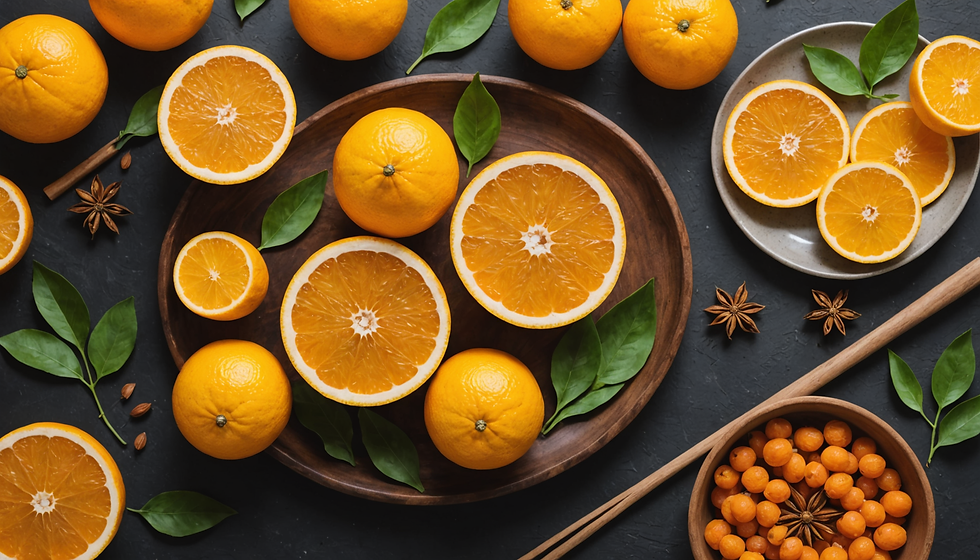
The period from January to March each year is a peak season for flu outbreaks. Mutated COVID-19 variants and various annual flu viruses often leave people struggling with infections. Since the 1970s, the theory that vitamin C can enhance immunity has become a cornerstone for marketing high-dose vitamin C products during flu season. But how much vitamin C does our body truly need? Could excessive intake of vitamin C harm our health? Beyond vitamin C, what other ways can we boost our immunity and maintain good health?
A paper included in the research archives of the U.S. National Institutes of Health (NIH) highlights that vitamin C plays a vital antioxidant role, contributing to collagen synthesis, adrenal hormone production, and norepinephrine synthesis. People deficient in vitamin C have a higher risk of pneumonia, and prolonged deficiency can lead to scurvy. Within the immune system, vitamin C enhances immunity by acting on white blood cells, reducing inflammation, and regulating cell proliferation. Different countries have varying recommendations for daily vitamin C intake, but consuming 200mg per day is generally sufficient for preventive purposes. Excessive vitamin C intake, however, cannot be fully utilized by the body and is excreted through urine, which may lead to kidney stones. Overconsumption can also cause osmotic diarrhea and gastrointestinal discomfort. Studies further show that vitamin C intake does not prevent colds.
From a Traditional Chinese Medicine (TCM) perspective, we advocate for balanced dietary habits throughout the year, with seasonal adjustments. Winter is a time to focus on "nurturing and storing energy." During this season, excessive outdoor activities are discouraged. The principle of "going to bed early and waking late, waiting for sunlight" applies. Adequate sleep is fundamental to a healthy body. If conditions allow, treatments such as sanjiu tie (herbal patches applied in winter) or moxibustion along the spine and the Zusanli acupoint can help boost immunity.
In terms of diet, warming recipes like ginger and angelica lamb soup are excellent choices for the cold winter months, while oxtail and radish soup provide nourishment. In northern regions with dry, cold winters and indoor heating, focusing on nourishing yin to support yang is recommended. In the southern regions with damp, cold winters, dietary adjustments should emphasize yang-boosting and dampness-reducing strategies to enhance qi and strengthen the body.
Reference
Gruber-Bzura B. M. (2022). High-Dose Vitamin C Supplementation as a Legitimate Anti-SARS-CoV-2 Prophylaxis in Healthy Subjects-Yes or No?. Nutrients, 14(5), 979. https://doi.org/10.3390/nu14050979


Comments